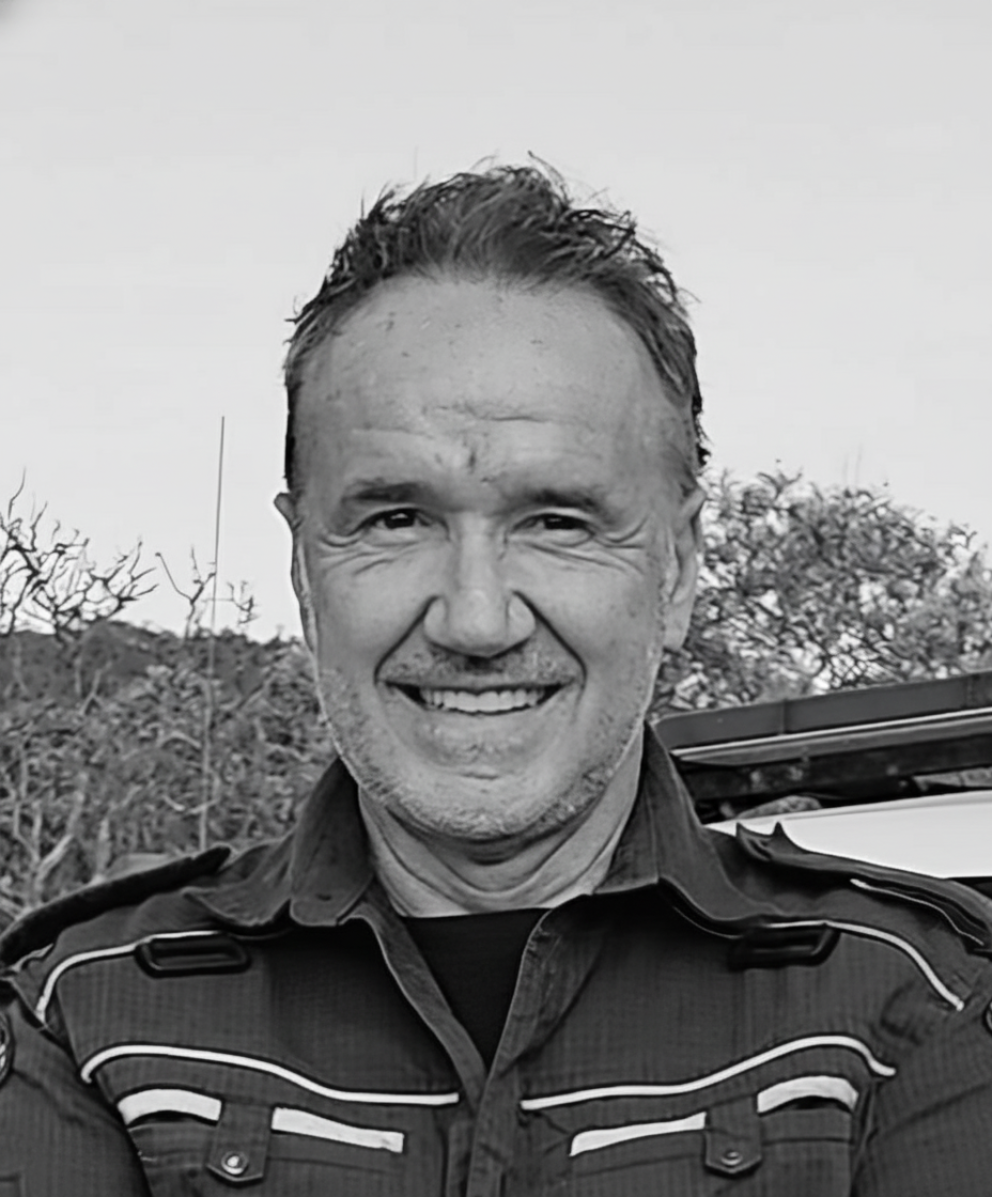
By a paramedic who keeps cleaning up the mess
E-bikes. What a cute, non-threatening name. It sounds harmless, friendly, almost wholesome, but we need to be honest about what they really are.
They are motorbikes with pedals attached, designed to avoid scrutiny and dodge responsibility.
For generations, we understood something fundamental about risk. You do not put a motor under someone until they are old enough to understand consequences. That is why cars require licences. That is why motorcycles require training, testing, and experience. That is why most riders earn their way there slowly and deliberately.
That is also why, in ambulance circles, motorcycle riders who push the limits have long carried a darkly affectionate nickname of TA’s, “Temporary Australians.”
Now there is a new TA on the block and based on early data even more temporary than its predecessors.
They are between thirteen and eighteen years old.
They have no licence.
They have no training.
They have no real understanding of physics, momentum, or what bitumen does to human skin at speed.
What they do have is a machine capable of travelling at thirty, forty, even fifty kilometres an hour, often faster, most likely purchased for them by well-meaning parents at prices ranging from one to five thousand dollars.
Let that sink in.
We would never hand our kids the keys to a car.
We would never allow them to ride a motorbike without training.
Yet we are buying them motorised vehicles for road use and calling it normal.
What makes this even more dangerous is the adolescent brain.
Teenagers are not wired for risk assessment the way adults are. The areas of the brain responsible for impulse control, foresight, and consequence management are still developing. Adolescents are biologically primed for sensation-seeking, peer approval, and risk-taking. Add speed, novelty, and a powerful machine, and you have a perfect storm.
This is not a moral failing. It is neurodevelopment and we are placing adult-level hazards into adolescent hands.
I see the same scene again and again.
Thongs.
Shorts.
Bare skin.
A helmet that is technically legal but worn loose, with the strap undone because it is not cool.
A mate on the back.
A phone within easy reach.
This is not speculation. This is what rolls past me every day.
Then there are the injuries.
Fractured skulls.
Shattered limbs.
Skin torn from bodies when it meets bitumen at speed.
If you have never seen real road rash, it is not a scrape, it is a traumatic injury, it leaves chronic pain, permanent scarring, and lifelong physical and psychological damage.
My colleagues and I have been watching this unfold for the last few years, attending the jobs when it goes wrong, because it always goes wrong eventually.
I have followed kids from behind travelling at speeds that would terrify experienced riders. One stands out clearly. It was a country road, no lights, no helmet, no licence, and eighty kilometres an hour. Another perhaps fourteen her girlfriend on the back (she was the one with the helmet strap hanging) they passed me in traffic at 30km/hr, before crossing the road and onto the footpath and though a line of shops, bathers on just returning from the beach. Let’s bring in a scenario. A mum walking along the same shared path with her two small children, the e-bike approaching from the other direction at twenty-five kilometres an hour. There is a wobble, a second of inattention. In that moment, this is no longer a bike, it is a missile. A missile capable of wiping out a family and tearing skin from bone.
Minutes later, the radio call comes through. E-bike versus pedestrians, multiple casualties.
This is not hypothetical. These are jobs that are already happening.
A paramedics mind is an inquisitive one and the same question keeps looping in my mind. I wonder if they will make it home. Do the parents know? Do they understand the time bomb they have wheeled into their home? What conversation happened around the kitchen table that made any of this seem acceptable?
The federal government claims e-bikes were legalised on the basis they would be limited to twenty-five kilometres an hour.
That is not okay.
Twenty-five kilometres an hour in thongs and bare skin, mixing with pedestrians, prams, toddlers, dogs, cars, and distracted drivers is still a recipe for catastrophe.
So I will say it plainly.
This is suicide on wheels.
The parallels are deeply uncomfortable. In suicide, the questions come later. What could I have done? What should I have changed? What did I miss? Life is suddenly reviewed through a crystal ball that only works in hindsight. What would you have done differently if you had known somebody’s life was at risk? These are the questions that haunt the living, forever amplified by the knowledge that there may have been a solution, something that could have prevented the chaos.
With e-bikes, that crystal ball already exists.
The risk is visible.
The danger is known.
The prevention is obvious.
And yet when something goes wrong, parents or carers are left with the same lifelong replay, except this time the answer is brutally clear.
You handed them the keys.
In my view, allowing these machines onto our roads was a catastrophic policy failure. Speed limiters are meaningless because they are designed to be bypassed. Enforcement that fines teenagers thousands of dollars misses the point. More often than not responsibility sits with the adults who bought the bikes and with the policymakers who allowed them.
If we were serious about safety, we would be talking about a national buyback and an outright ban. No loopholes. No grey areas. No fear of missing out because everyone else has one.
Just gone.
Some argue that kids need e-bikes to get to school or sport. We solved that problem for two hundred years. It was called a pushbike.
Pedal power-built fitness, coordination, awareness, and responsibility. Now, in the middle of an obesity and diabetes epidemic driven by inactivity and screens, we have decided the solution is to remove effort altogether.
I urge every parent reading this, if there is an e-bike in your garage, understand this. You are running on borrowed time.
It does not matter how careful your child is. All it takes is one distracted driver, one lapse of attention, one moment outside your control, and your child is permanently injured or worse.
I will keep watching this unfold from the coalface, cleaning up injuries that never needed to happen, and asking the same question over and over.
How was this ever considered okay?
And when the history of this decision is written, the blood will not be on the roads alone. It will be on the hands of the policymakers who allowed it.